EU Midday Digest - 14 May 2026
AI-generated midday market digest from curated financial newsflow.
US 10-year yields break 4.48% as CPI reacceleration forces a hawkish repricing in Treasury markets.
Overnight & European Session
Global markets opened mixed as US Treasury yields surged overnight, with the 10-year note climbing to 4.48% and the 30-year hitting 5.05%, its highest level in nearly two decades. The move followed a hotter-than-expected PPI print and resilient US consumer spending data, which undermined Fed cut bets and lifted front-end yields. In Europe, the Euro Stoxx held flat at 5,861 while the Nikkei slipped 0.98% to 62,654, reflecting risk-off positioning in tech-heavy indices. FX markets showed limited reaction, with EUR/USD dipping to 1.1714 and USD/JPY edging up to 157.88, as BoJ’s Masu reiterated a June hike bias despite cooling inflation.
Key Themes Today
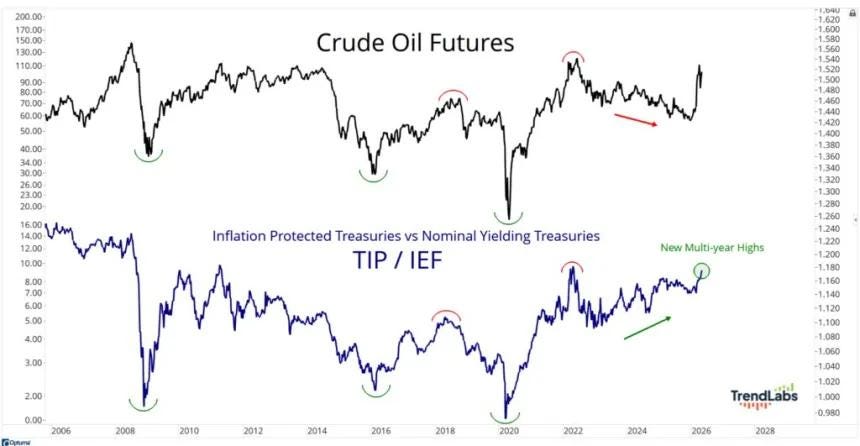
- Rates: Hawkish repricing intensifies as PPI shock revives inflation fears. CNBC’s Economics team highlights a 6% y/y PPI print—triple consensus—signaling a second wave of inflation that could force the Fed into a “forced pause-hike” by summer. This reacceleration, particularly in services PPI, keeps the Fed focused on super-core inflation and lifts real rates, pressuring duration-sensitive assets. The implication is a bear flattening in the curve, with 2-year yields poised to breach 5% if CPI follows suit. This view is reinforced by Bank of America’s card spending data showing +7.1% YoY growth, suggesting demand remains sticky. Off The Charts, CNBC - Economics, Bank of America
- Equities: Tech decouples on AI diplomacy hopes despite rising real rates. While bond markets sell off, Nasdaq 100 rose 1.04% to 29,367, led by Cisco’s 17% surge on AI-driven revenue growth and Nvidia’s progress in navigating US-China chip export restrictions. MarketWatch notes that Nvidia’s potential breakthrough in exporting advanced chips to China is fueling optimism in EM tech, even as broader tensions persist. This divergence suggests equities are pricing in delayed Fed easing and asymmetric growth resilience, particularly in AI-leveraged firms. However, this positioning risks abrupt repricing if central banks shift hawkish. MarketWatch, Nasdaq - Market Activity, CNBC - Markets
- Commodities: Oil faces supply constraints as OPEC+ sticks to quota hikes amid Iran war risks. Brent crude held near $105.39 despite Singapore Airlines’ profit warning due to fuel-cost volatility, as OPEC+ delegates reaffirmed plans to complete scheduled quota increases. This disciplined supply approach tempers geopolitical upside, but US oil producers’ reluctance to drill—cited by the FT—raises structural tightness concerns. Meanwhile, copper retreated on slowing Chinese demand, per Bloomberg, highlighting divergent industrial metal fundamentals. The net effect is a bifurcated commodity complex: energy supported by supply rigidity, base metals pressured by China’s credit impulse collapse. Bloomberg - Markets, Financial Times, EIA
- Inflation debate: Transitory vs. structural – Citi and MUFG hold out against the hawkish tide. While most analysts cite sticky inflation, The Bond Beat highlights Citi and MUFG as “holdouts” arguing that April’s core CPI rise (0.38% MoM) was driven by temporary shelter-cost distortions from BLS backfilling, not broad demand. They contend automation in white-collar jobs will suppress wage growth, capping inflation. This contrasts sharply with Off The Charts, which sees energy and services PPI as structural bottlenecks. The divergence sets up a critical test for May CPI: if core prints above 2.8%, the holdouts’ case weakens, reinforcing the hawkish repricing. The Bond Beat, Off The Charts
- Geopolitical risk: China exploits Iran conflict to expand influence, challenging US alliances. A confidential US intelligence report, cited by the Washington Post, reveals China has sold weapons to Gulf allies and provided energy support to nations affected by Strait of Hormuz disruptions. This dual military-economic strategy aims to erode US influence and position China as a regional stabilizer. Simultaneously, President Xi’s direct warning to Trump over Taiwan—reported by Investing.com—elevates tail risk for TSMC-linked supply chains. These developments increase the premium on geopolitical hedging, particularly in Asian equities and semiconductor exposure. Zack Eiseman - ICYMI, Investing.com
What to Watch
Today’s focus is on Applied Materials’ Q2 earnings after the close, which could influence semiconductor capex sentiment, particularly if guidance reflects sustained AI-driven demand. The 10-year UST at 4.48% is a key resistance level—a clean break above confirms the reflation trade and pressures long-duration assets. Polymarket odds show an 84% probability the Fed won’t cut by September, aligning with the hawkish repricing. Meanwhile, the BoJ’s Masu has signaled a June hike is “desirable,” making JPY/USD a potential outlier in G10 FX. The open question: will the market continue to tolerate higher real rates without a rotation out of growth equities?
