Morning Market Synthesis — 05 May 2026
AI-generated morning market digest from curated financial newsflow.
Oil prices jumped 6% after Iran’s attack on a South‑Korean vessel and a U.S. strike on Iranian boats, pushing Brent to US$ 111.24.
Overnight & European Session
Asian markets opened lower as crude surged, with the Nikkei up only 0.38% while the S&P 500 rose 0.62% on the back‑stop of higher energy stocks. In Europe, the Euro Stoxx climbed 1.43% as investors priced in a risk‑off tilt toward commodities and logistics firms. The euro slipped to 1.1704 against the dollar (‑0.19%) and the yen weakened to 157.73 per US$ (up 0.56%). U.S. Treasury yields fell, with the 10‑year at 4.42% (‑0.54%) and the 2‑year at 3.60% (+0.28%). The move reflects a blend of supply‑side inflation worries from the Gulf flare‑up and a reaction to the Treasury’s revised Q2 borrowing estimate of US$ 189 bn, which has tightened bond markets.
Key Themes Today
- Oil‑driven inflation risk: The Strait of Hormuz escalation has added a direct combat premium to crude, lifting Brent 6% overnight (PiQ Suite). Reuters and Bloomberg note spot rates remain “significantly elevated,” prompting central banks such as the RBA and ECB to flag supply‑side inflation pressures. Higher oil prices are expected to feed through consumer‑price indices, increasing the probability of stagflation‑type dynamics and benefitting energy‑linked equities while pressuring growth‑sensitive sectors and EM sovereign spreads (PiQ Suite). Positioning: overweight oil majors and inflation‑hedged assets; consider shorting high‑beta growth equities that are vulnerable to rising rates.
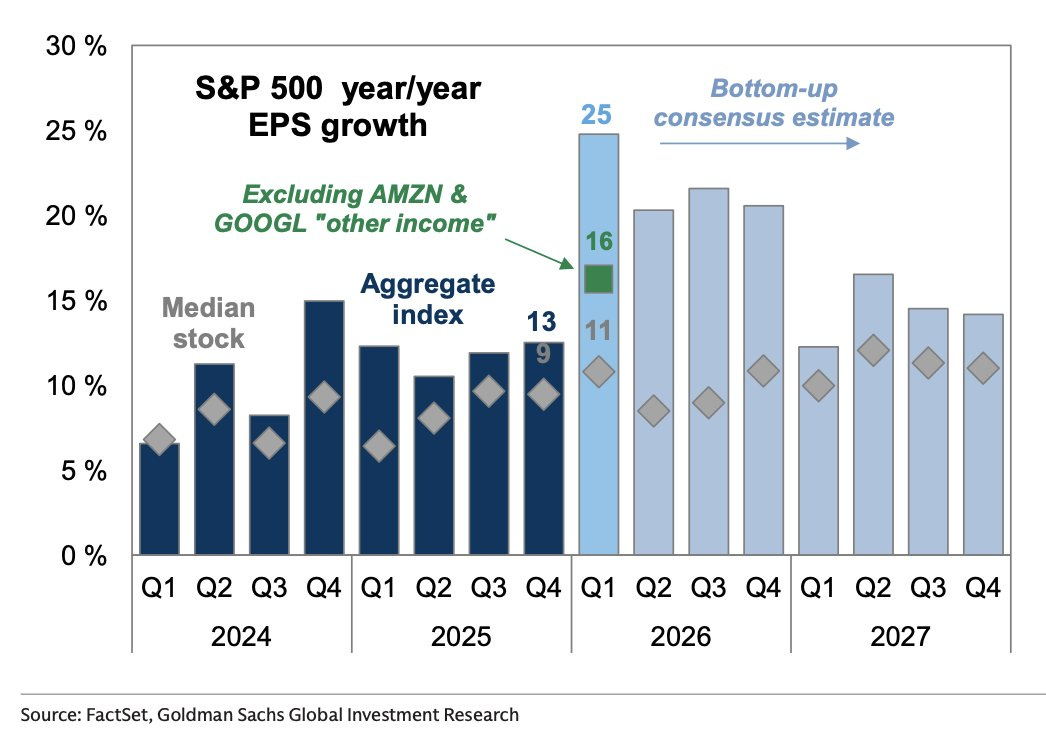
- U.S. Treasury borrowing surge: The Treasury’s Q2 borrowing schedule has been lifted to US$ 189 bn, outpacing prior forecasts (PiQ Suite). The additional supply is projected to push 10‑year yields higher, compressing the spread between yields and equity earnings yields, which currently sits at roughly a 1 percentage‑point gap. Higher yields raise corporate cost of capital, weighing on high‑growth stocks and supporting a rotation toward value‑oriented sectors such as financials and utilities (PiQ Suite). Investors should monitor the 10‑year at 4.42% as a potential resistance level; a break above could accelerate equity pull‑backs.
- Cross‑asset risk premia spill‑over: The Gulf crisis is extending beyond energy into aviation, shipping, and freight markets (PiQ Suite). Australian and New Zealand carriers face the greatest exposure, and freight‑price volatility has spiked in tandem with oil moves. The IMF is tracking systemic impacts, suggesting tighter credit conditions for firms with Gulf trade‑lane exposure. This multi‑sector shock widens risk premia across commodities, transport equities, and EM currencies, implying a need for higher yield spreads on EM sovereigns and a tilt toward defensive logistics stocks with strong balance sheets.
- Geopolitical binary risk premium: Zack Eiseman highlights a “binary” oil‑defense premium: a short‑window diplomatic deal (≈2‑3 weeks) versus an imminent U.S. strike (Zack Eiseman). If diplomacy prevails, oil‑related spreads should compress and defense stocks like LMT and RTX could lose momentum; a strike would trigger a sharp crude spread widening and a rally in aerospace equities. Simultaneously, Eiseman notes an internal IRGC‑civilian split that tempers escalation, suggesting a modest 5‑10 bps premium on Gulf freight indices (Zack Eiseman). The divergence underscores the importance of monitoring both diplomatic signals and military actions for positioning in energy and defense sectors.
- Private‑credit vs. syndicated loan dynamics: U.S. mid‑market corporates are shifting back to bank‑led syndicated loans as those instruments now carry “meaningfully lower spreads” than private‑credit offerings (PiQ Suite). Reuters analysis shows the spread gap widening, eroding the low‑rate advantage that private credit previously enjoyed. Banks stand to capture additional fee income, while private‑credit managers may need to pivot to niche, higher‑yield strategies. Investors should reassess exposure to private‑credit funds and consider reallocating to higher‑quality loan assets or bank loan ETFs.
What to Watch
Key macro releases include the U.S. CPI (due Thursday) and the Eurozone HICP (due Friday); both will test whether the oil‑driven price shock is translating into broader inflation. Watch the 10‑year Treasury at 4.42% – a clean break above could accelerate the equity pull‑back and pressure EM FX, while a drop back below 4.35% would support a softer yield curve and aid risk assets. Central bank speakers to monitor are ECB President Lagarde (speech on monetary policy stance) and Fed Governor Bowman (comments on Treasury supply). Earnings from major defense contractors (LMT, RTX) and oil majors (XOM, BP) will provide early clues on how the binary risk premium is being priced. The market’s open question: will diplomatic overtures in Tehran materialise within the next two weeks, or will a U.S. strike reignite a broader commodity‑driven inflation cycle?
